

Loading...
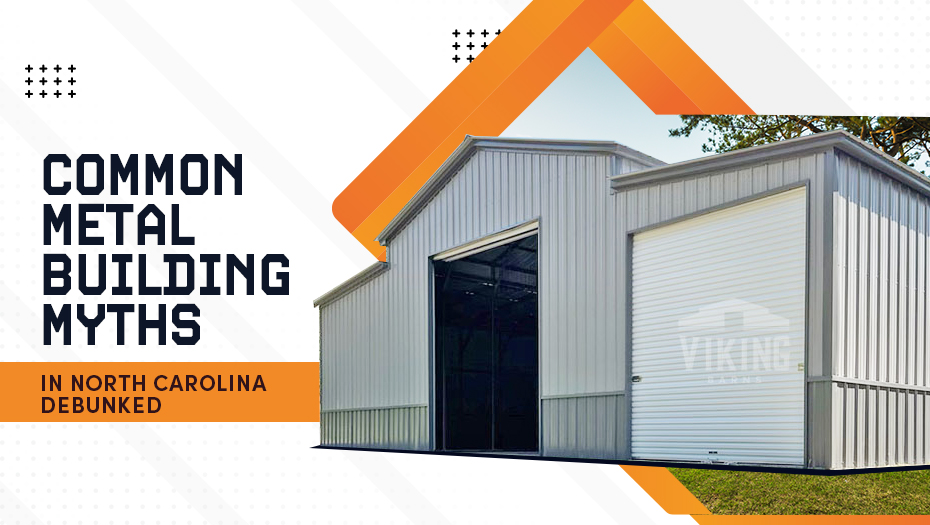
Are you a North Carolina resident?
If yes, you are already aware of the tornadoes, floods, hurricanes, lightning strikes, snow and ice storms that wreak havoc on the state throughout the year. Residents with personal/commercial automobiles, farms, and livestock face a significant challenge due to this. Most of you have already invested in prefabricated steel buildings, which have several advantages that traditional structures lack.
However, numerous homeowners still take a step back and avoid investing in prefab steel structures. It is because of some misconceptions that residents of North Carolina retain.
It’s important to debunk these metal-building myths and know the real truth that can help you make the right decision.
Myth 1: Steel Buildings Rust
You may have noticed historical metal buildings that are prone to rust, propagating myths about the rusting nature of steel structures. Surprisingly, steel utilized in new structures is galvanized 100%, ensuring excellent rust resistance. Your construction will last longer thanks to fully galvanized steel, protecting it from rust, moisture, and humidity.
Myth 2: Steel Buildings are Fragile
Steel is thinner than wood which doesn’t mean it is weak against normal weather forces. Instead, steel has a high strength-to-weight ratio that makes it highly sustainable to harsh weather conditions like hurricanes, floods, earthquakes, etc. Moreover, you are free to choose from different steel gauges available, adding more strength to your structure and securing your essentials without fail.
Myth 3: Steel Structure Creates Attenuation to Signals
The biggest and most common myth associated with prefab metal buildings is that it creates attenuation to cell phones, Wi-Fi signals, etc. Fortunately, this is entirely false as steel doesn’t interfere with any signal from your electronic devices. Technically, signals are electromagnetic waves, which can pass through steel sheets without issue.
Myth 4: Steel Building is Dangerous During Lightning
You aren’t recommended to stay out during thunderstorms and lightning. Moreover, many even avoid buying a custom metal building as it attracts lightning and causes harm. This isn’t true! Metal doesn’t attract lightning like wood-framed buildings. Instead, you are saving your valuables by selecting a steel building. Metal structure transfers lightning directly to the ground, which gives you additional safety from these weather troubles.
Myth 5: Steel Buildings Fail to Meet Local Standards
All steel structures installed on your land must match local building codes. It means steel buildings in North Carolina are precisely made and installed to surpass your local weather hazards. Before placing a metal building order, you are highly recommended to get a permit from the local authority.
There are multiple players in the industry like Metal Building Manufacturers Association (MBMA), Metal Construction Association (MCA), Steel Framing Alliance (SFA), and Light-Gauge Steel Engineers Association (LGSEA) that create a benchmark and ensure all buildings match these standards and stay strong for decades.
Myth 6: Prefab Buildings have Boring Designs
Design is a significant factor that affects decision-making. First-time buyers believe that steel structures have limited customization options restricting their designs. However, the reality is entirely opposite. Prefabricated metal buildings come in various designs and styles that you can customize according to your needs. Various customization options available with your steel structures include:
- Windows
- Walk-In Door
- Vents
- Overhead & Roll Doors
- Liners
- Trim Options
- Insulation
- Skylight & Wall Lights
- Roof Curbs & Jacks
- Gable End
- Gutters & Downspouts
You can finalize your choices when placing the order and get a fully-customized steel building at your installation site.
Myth 7: Steel Structures are Experience Investment
Steel prices have risen in the recent past, resulting in unsatisfied customers across the country. However, shortage of steel and other associated materials are prime reasons that compel manufacturers to raise building prices.
Furthermore, prefab steel buildings cost you only once, i.e., at the time of purchase, and save you from frequent and significant maintenance costs. Frequent maintenance and repairs are a common issue with wood that you can’t deny.
So, if you are a North Carolina resident and own a custom metal building, you have made a smart decision. However, if you are still confused state between wood and steel, give us a call at (704)-579-6966, and we will help you with the right decision based on your budget and expectations.
For metal building buyers, Viking Barns give you a broad buying option that lets you choose the right barn structure for your life and utilize it for various purposes.
So, why are you waiting? Now is the right time to put your lifelong saving in the right structure and build an asset with premium protection for your livestock, haystack, or other essentials.
Related articles